
Linux SBC
Linux SBCs are widely used because they support custom kernels, device trees, containers, field updates, and broad networking stacks. This topic covers board selection, OS maintenance, and software considerations for reliable deployments.
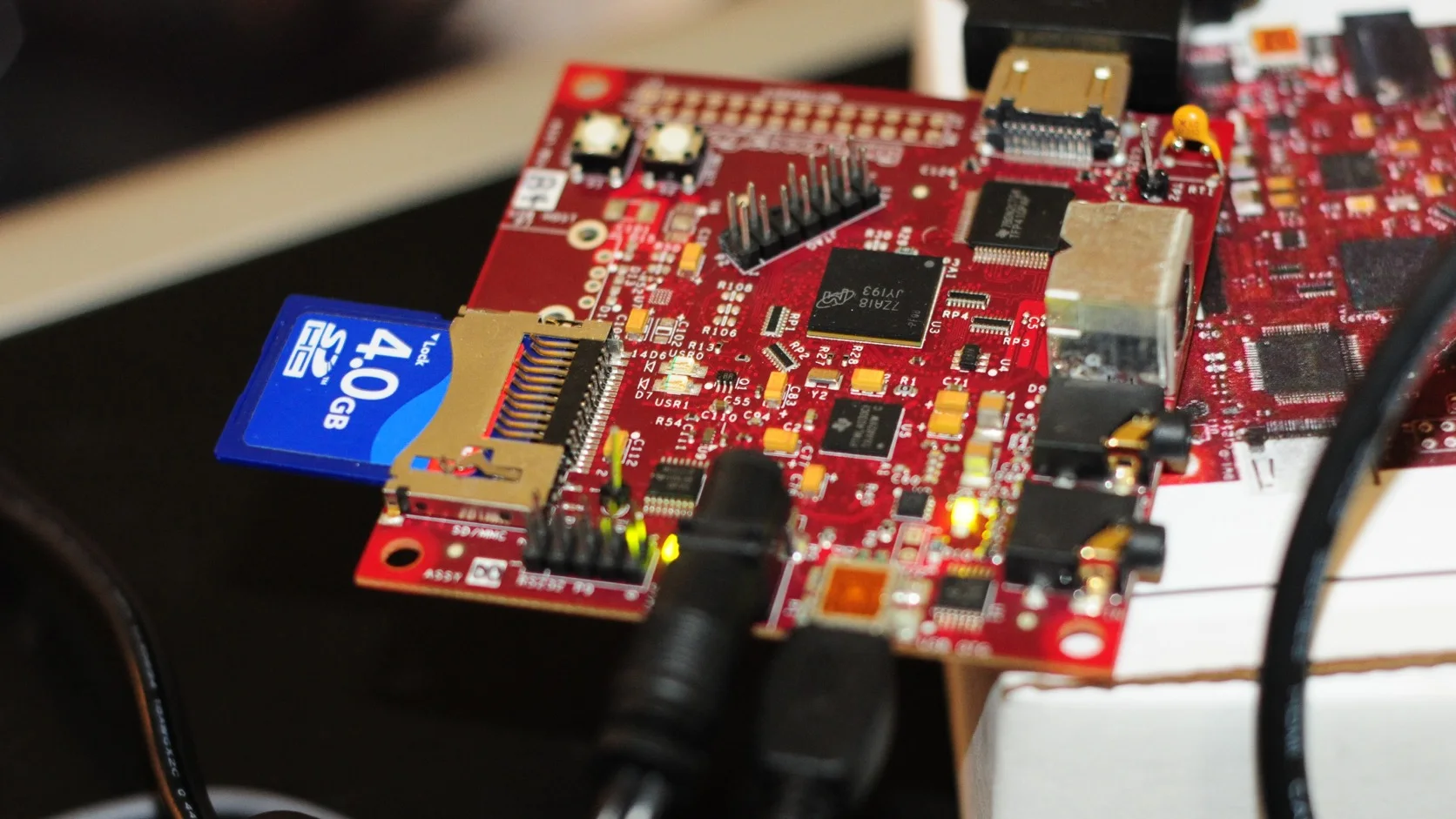
How to Evaluate a Board Support Package Before Choosing an SBC
A hands-on BSP evaluation checklist for industrial SBC selection, covering source access, clean builds, kernel maintenance, drivers, recovery, security, …
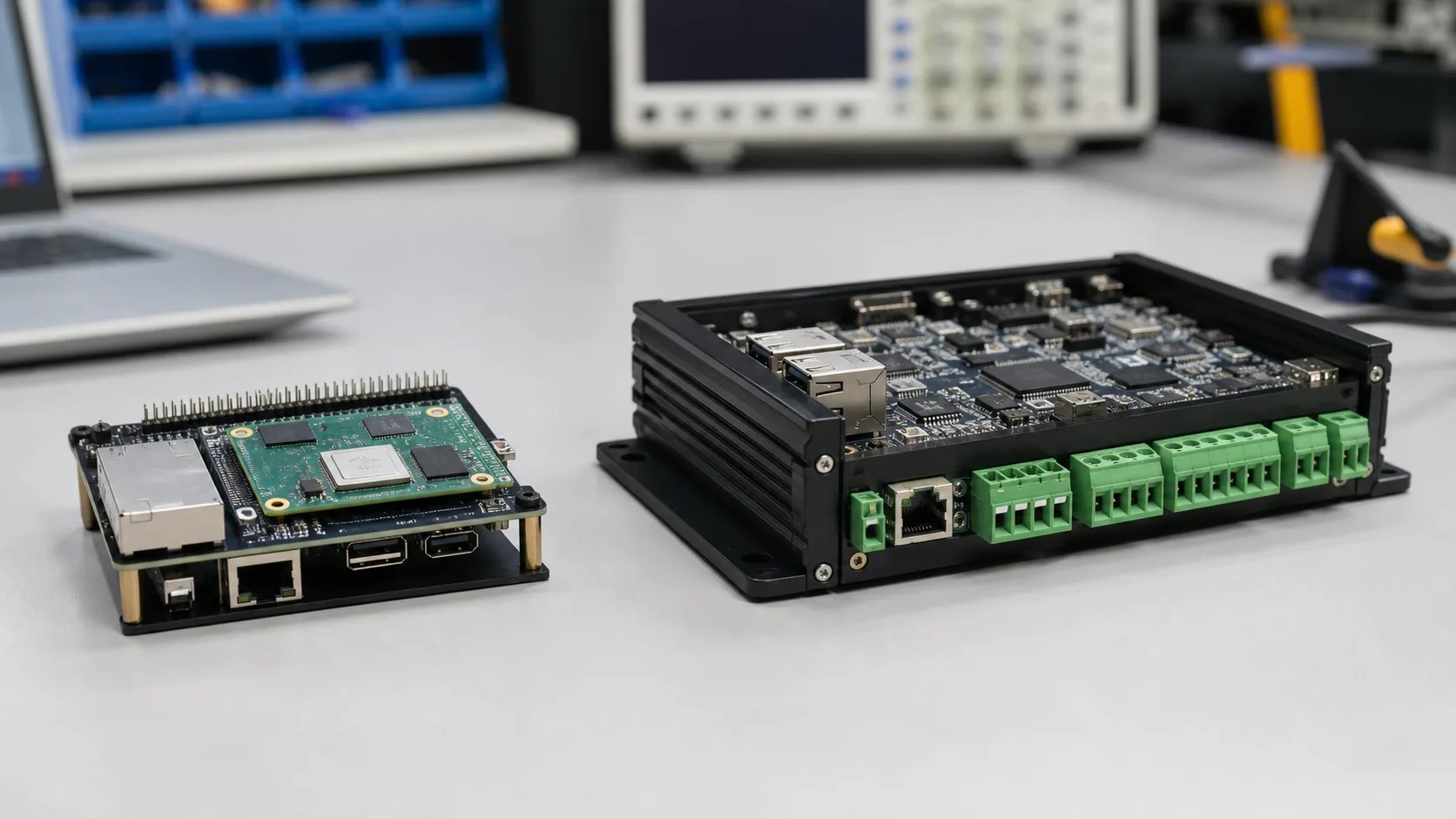
Raspberry Pi CM4 vs Industrial ARM SBC: Prototype Convenience or Production Reliability?
A practical comparison of Raspberry Pi Compute Module 4 and industrial ARM SBCs for embedded products, covering cost, lifecycle, I/O, thermals, software, …
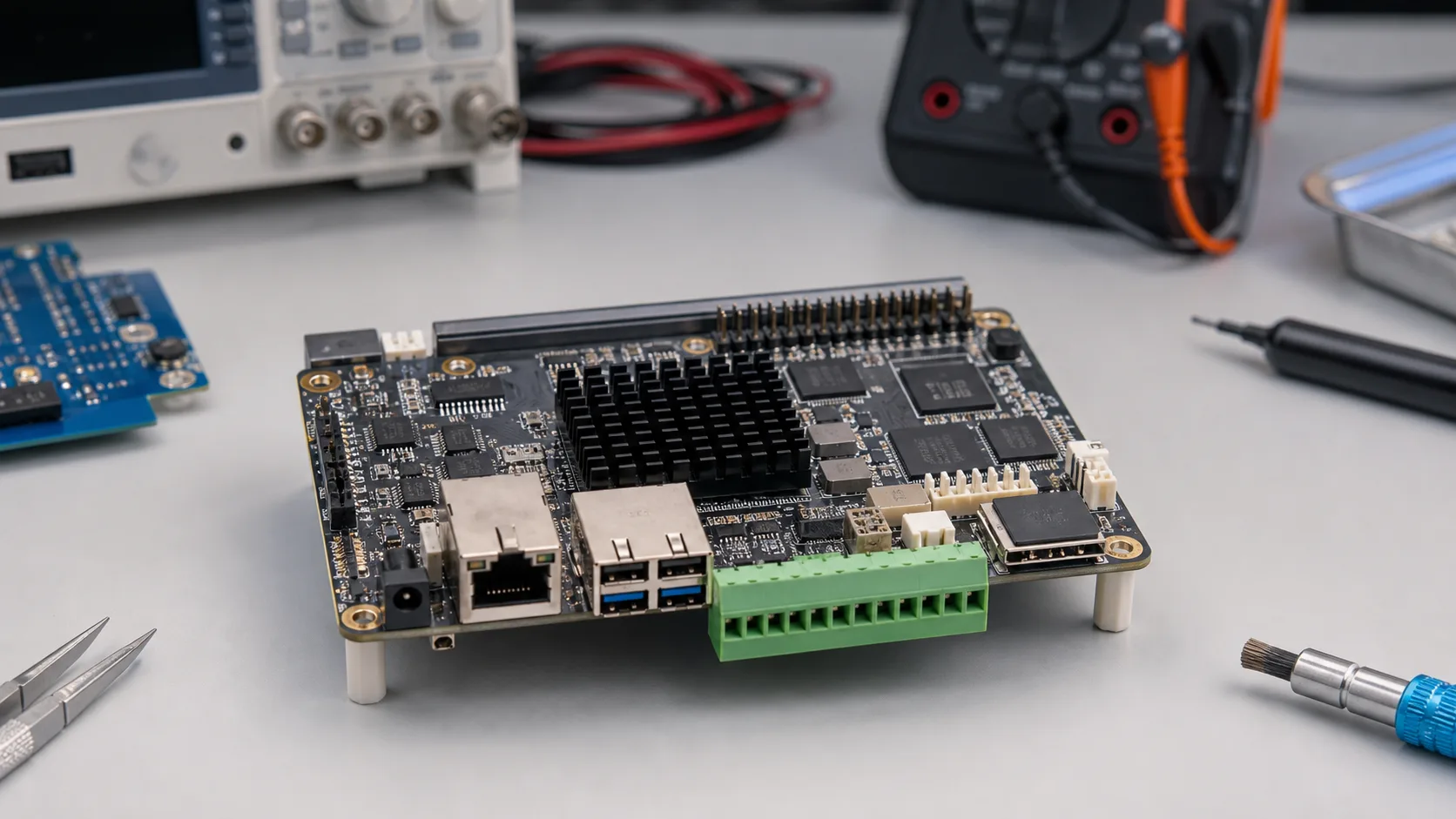
Rockchip RK3568 Industrial Board Guide: What to Check Before Choosing a Board
A practical guide to Rockchip RK3568 industrial boards, covering I/O, Linux and Android support, storage, power, thermals, display, CAN, RS-485, Ethernet, and …
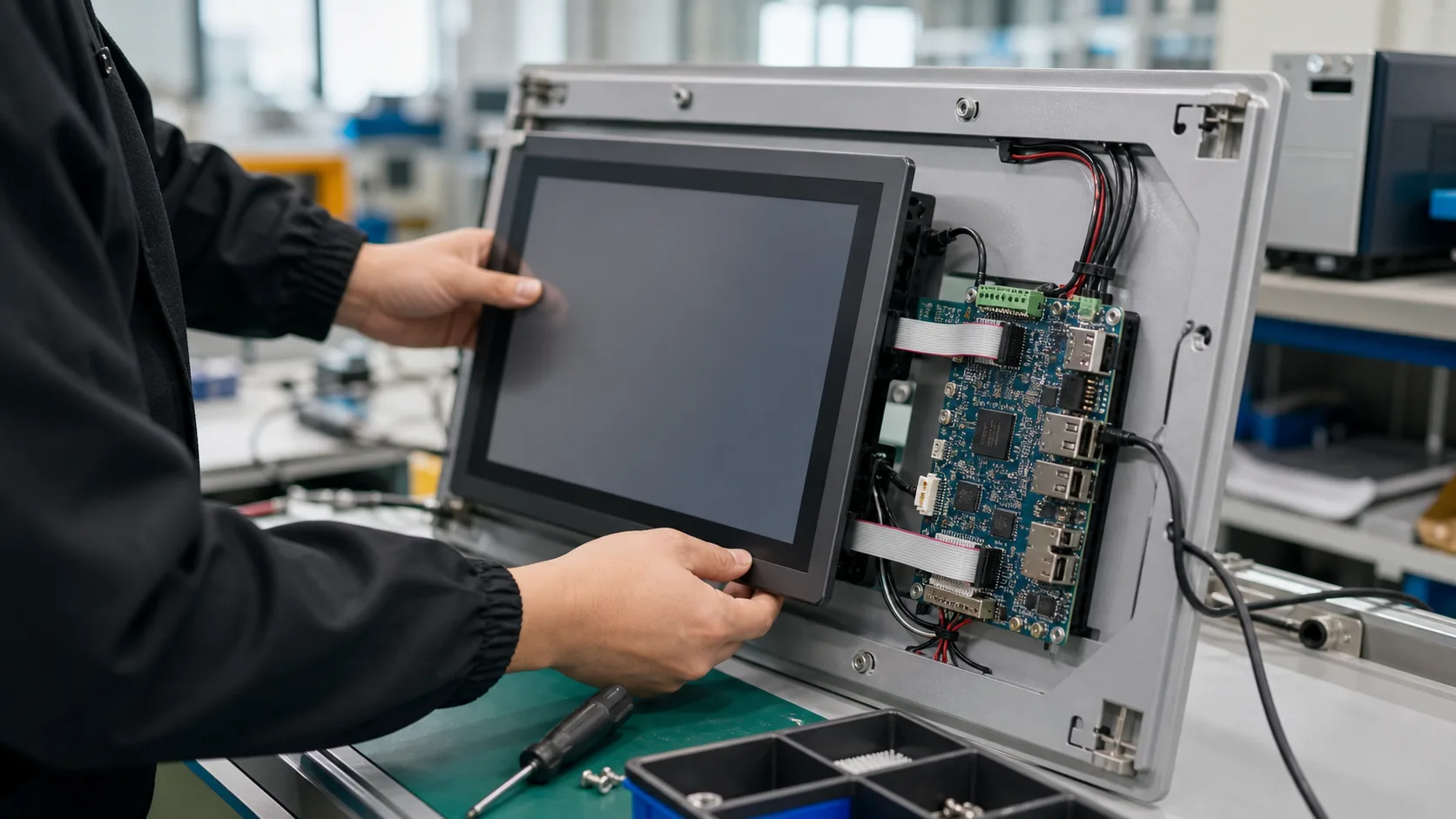
Industrial SBC for HMI Panels: Building a Reliable Operator Interface
A practical guide to selecting an industrial SBC for HMI panels, covering display interfaces, touch, Linux vs Android, boot time, thermals, storage, …
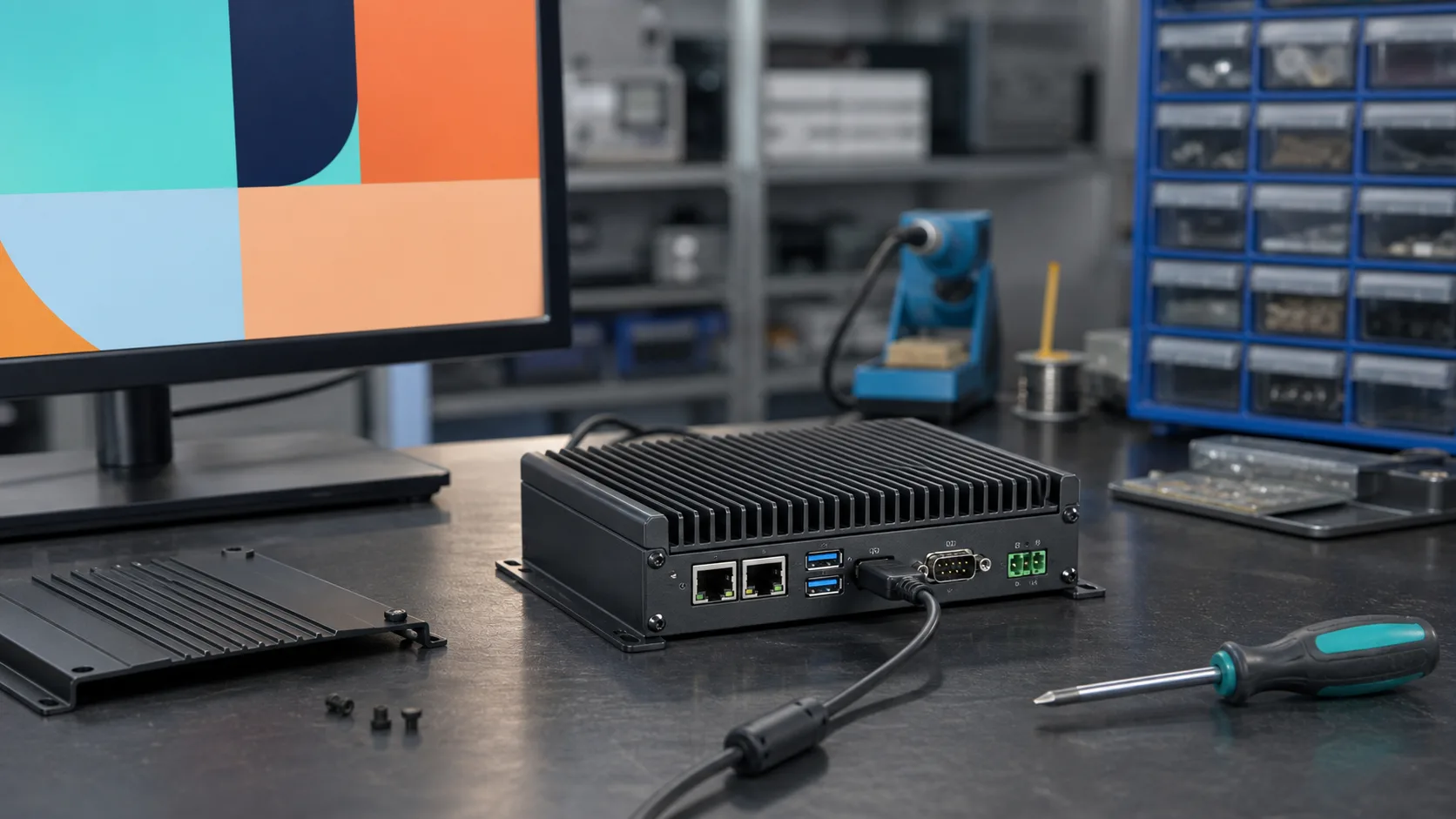
Industrial SBC for Digital Signage: Reliable Media Playback Beyond Consumer Hardware
A practical guide to selecting industrial SBCs for digital signage, covering display outputs, video decode, storage, Android vs Linux, remote updates, thermals, …
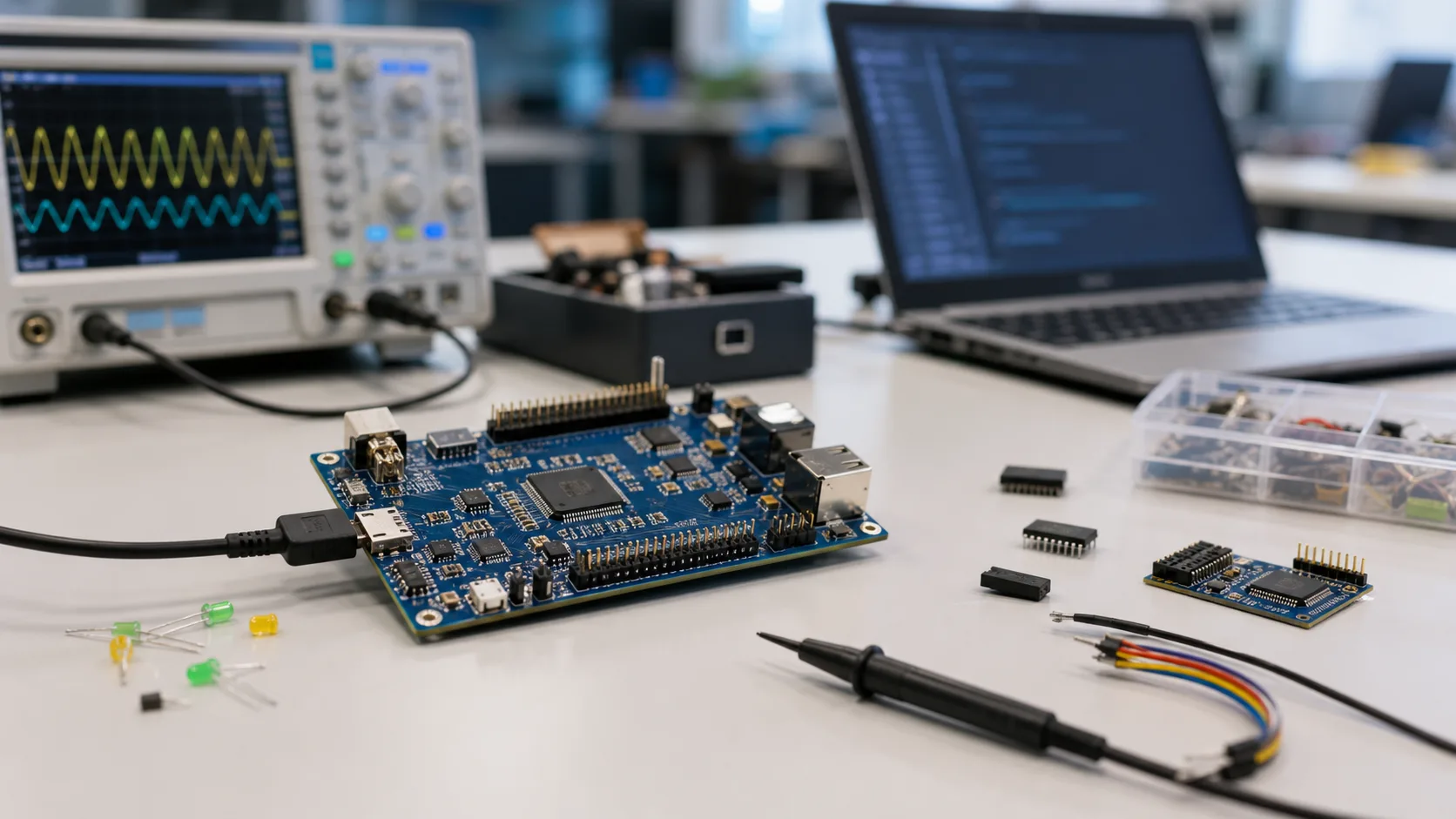
What Is ARM Architecture? A Practical Guide for Embedded Systems
A practical introduction to ARM architecture, covering RISC design, ARM processor families, 32-bit and 64-bit ARM, SoC integration, embedded Linux, Android …
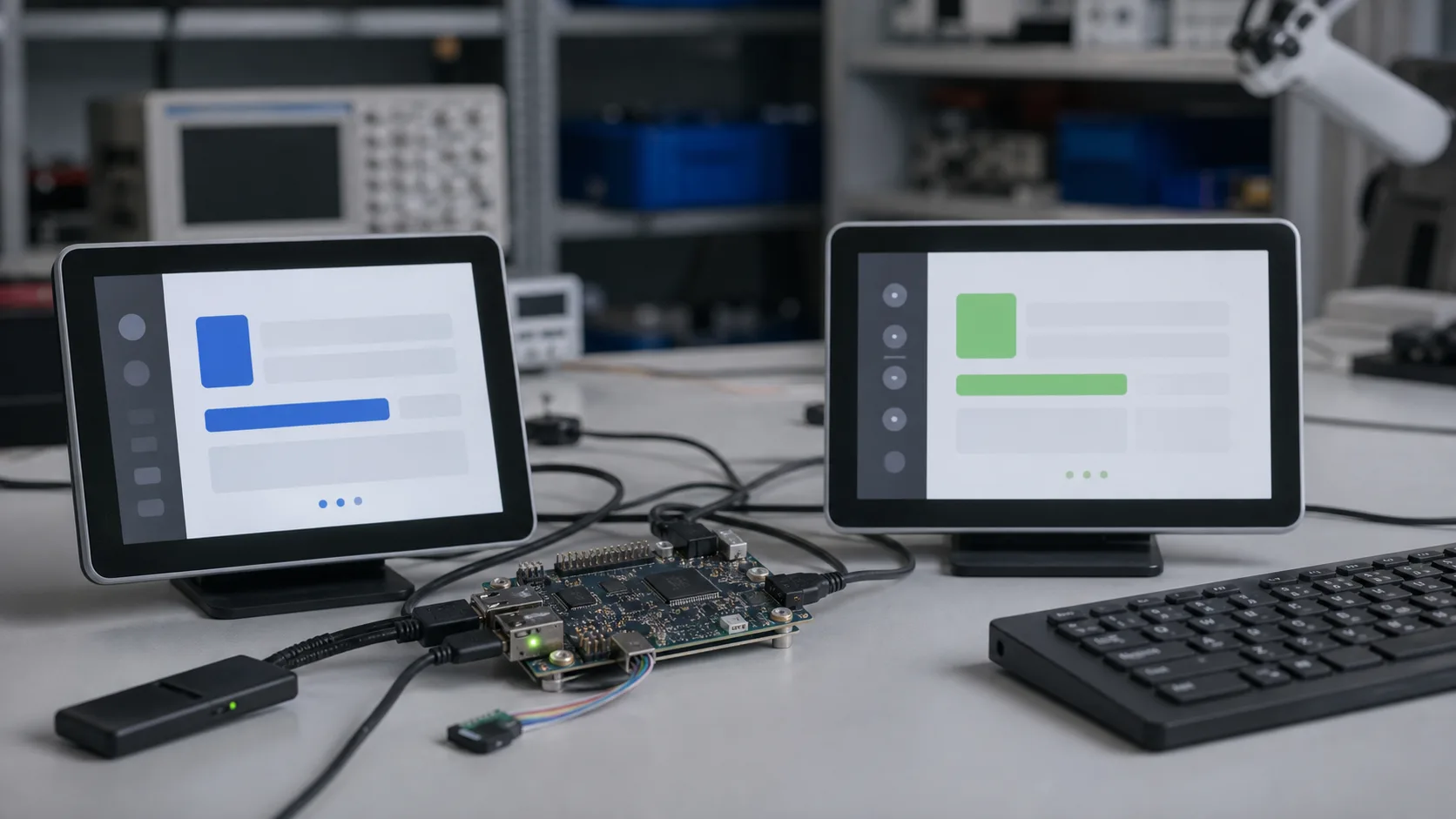
Linux vs Android for Industrial SBCs: Choosing the Right Operating System
A practical comparison of Linux and Android for industrial SBC projects, covering HMIs, gateways, BSP support, security updates, drivers, app development, and …
Recommended Guides
ARM vs x86
A deep dive into how each architecture performs in industrial use cases. Compare CPU efficiency, power draw, OS ecosystem, hardware longevity, and total cost of ownership to make a well-informed choice.
Read →Power Consumption
Learn how to translate workload demands into real-world wattage. Plan heatsink capacity, enclosure airflow, and PSU headroom to achieve silent, maintenance-free operation over years of service.
Read →