
Industrial SBC
Industrial SBCs provide dependable compute for automation, robotics, medical devices, and kiosks—often with fanless operation and multi-year availability. Compared with hobby boards, they offer stronger power delivery, more resilient storage options, and better thermal behavior in sealed boxes. This tag curates articles on choosing between ARM and x86, budgeting power for 24/7 use, and managing OS/BSPs across lifecycles. We present measured results for workloads common to the field: HMIs, protocol translation, vision at the edge, and lightweight analytics. You’ll find templates for bills of materials, enclosure and airflow decisions, and checklists that reduce risk from prototype to pilot to mass deployment.
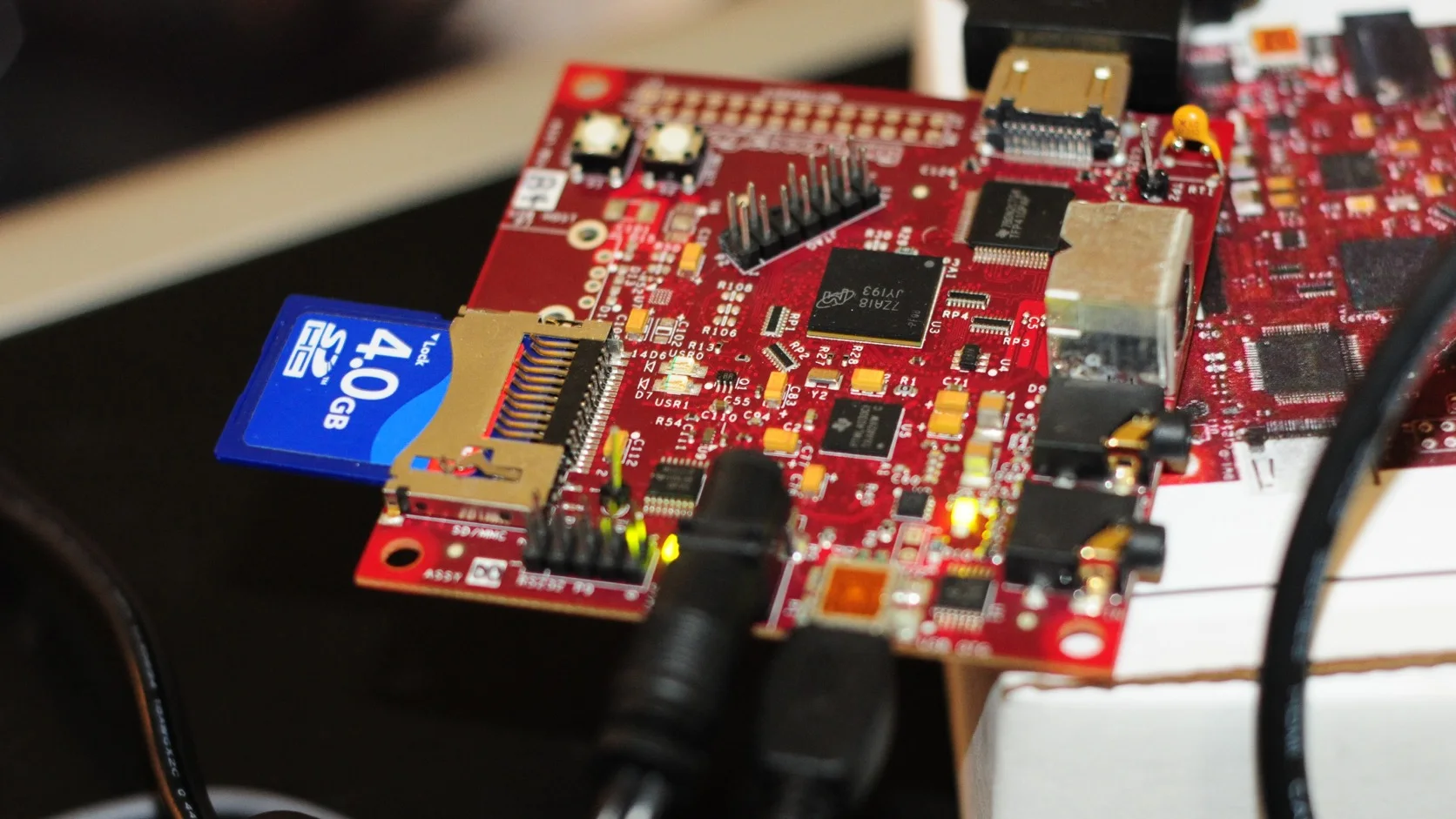
How to Evaluate a Board Support Package Before Choosing an SBC
A hands-on BSP evaluation checklist for industrial SBC selection, covering source access, clean builds, kernel maintenance, drivers, recovery, security, …
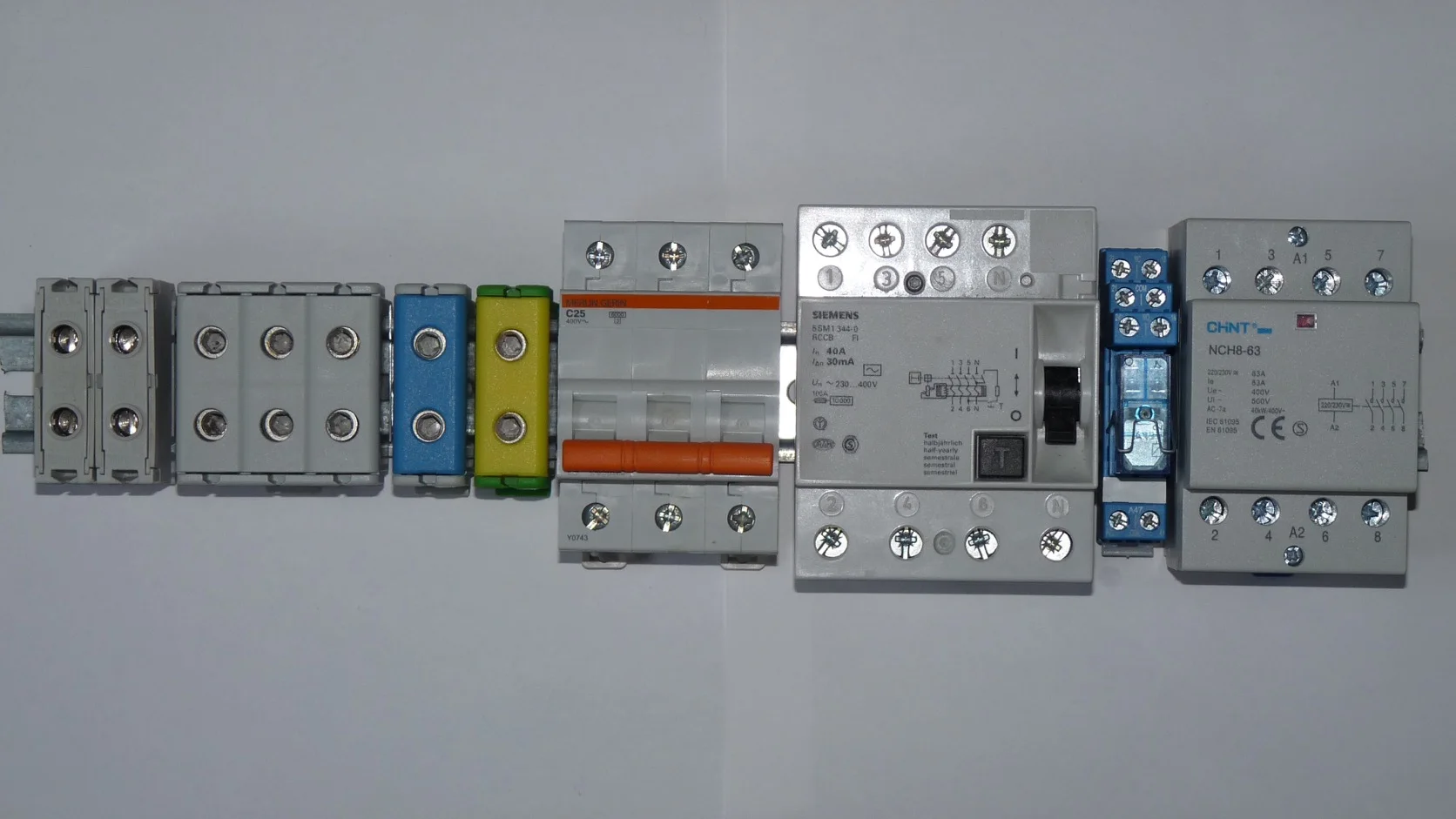
Designing Protected DC Power Inputs for Industrial SBCs
An engineering guide to protected 12 V and 24 V DC inputs for industrial SBCs, including reverse polarity, surge, EFT, inrush, brownout, TVS selection, and …
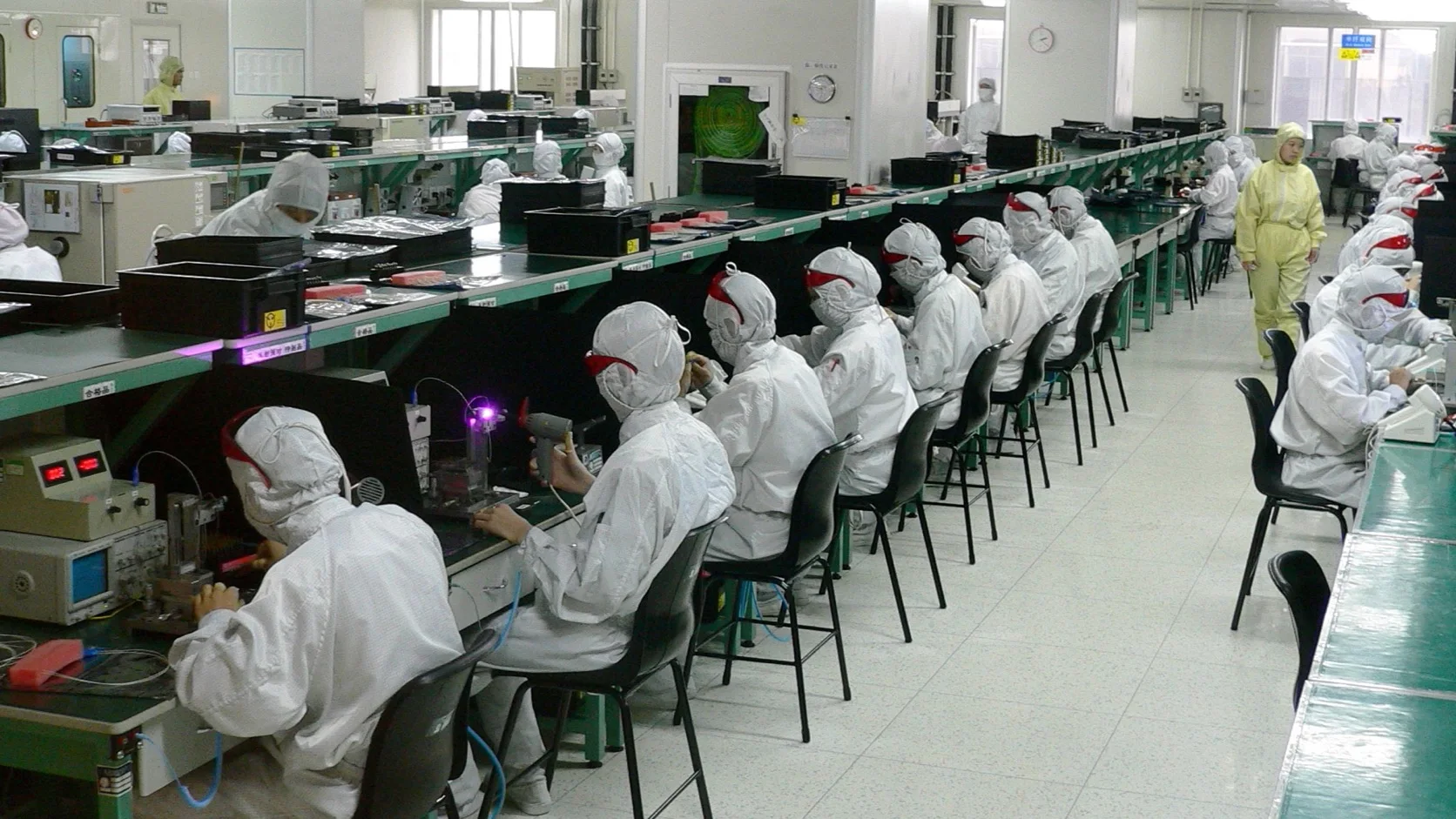
Long-Term Availability for Industrial SBCs: How to Plan a 10-Year Product
A practical guide to industrial SBC lifecycle planning, covering longevity claims, PCNs, EOL risk, BOM control, software maintenance, last-time buys, and …
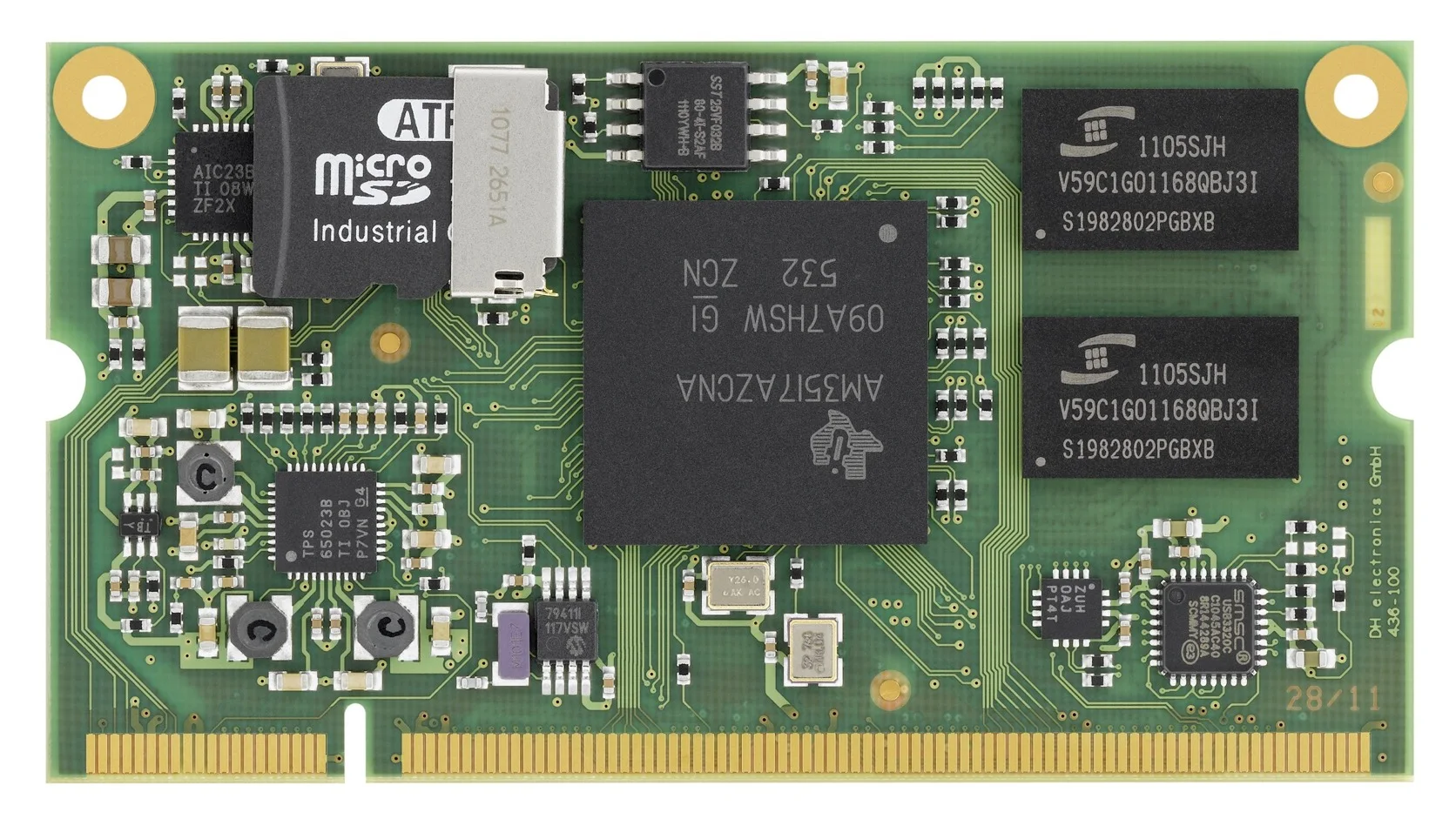
SBC vs SOM vs COM: Choosing the Right Embedded Computing Form
A practical SBC vs SOM vs COM comparison covering carrier boards, customization, cost, thermal design, lifecycle risk, and the point where modular hardware pays …
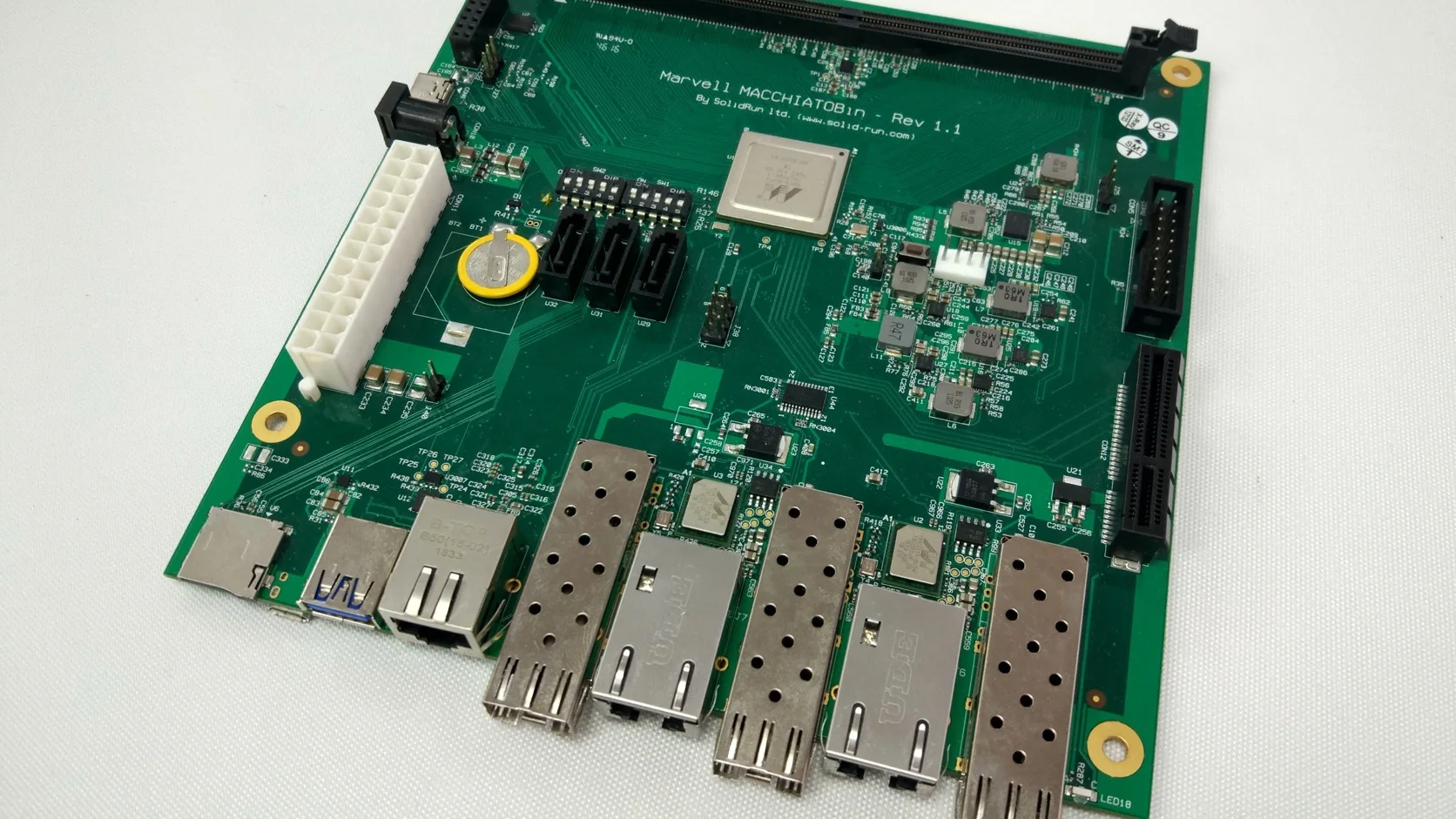
What Is an Industrial SBC? Features, Use Cases, and Selection Criteria
An engineer-focused explanation of industrial single-board computers, including key features, real selection criteria, common use cases, and validation checks.
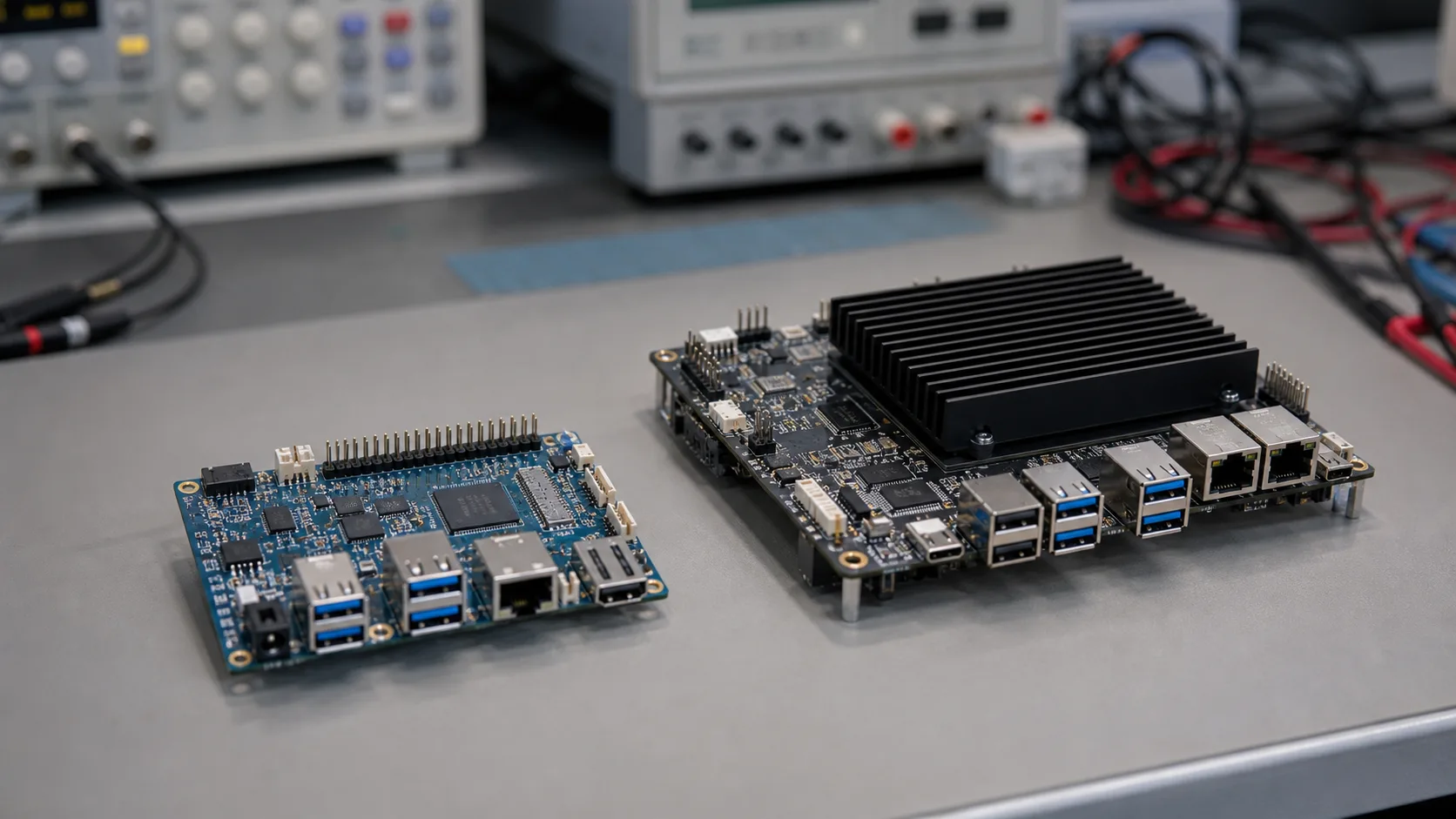
RK3568 vs RK3588 for Industrial SBCs: Choosing the Right Rockchip Platform
A practical comparison of Rockchip RK3568 and RK3588 for industrial SBC projects, covering CPU performance, NPU capability, display, I/O, power, thermals, cost, …
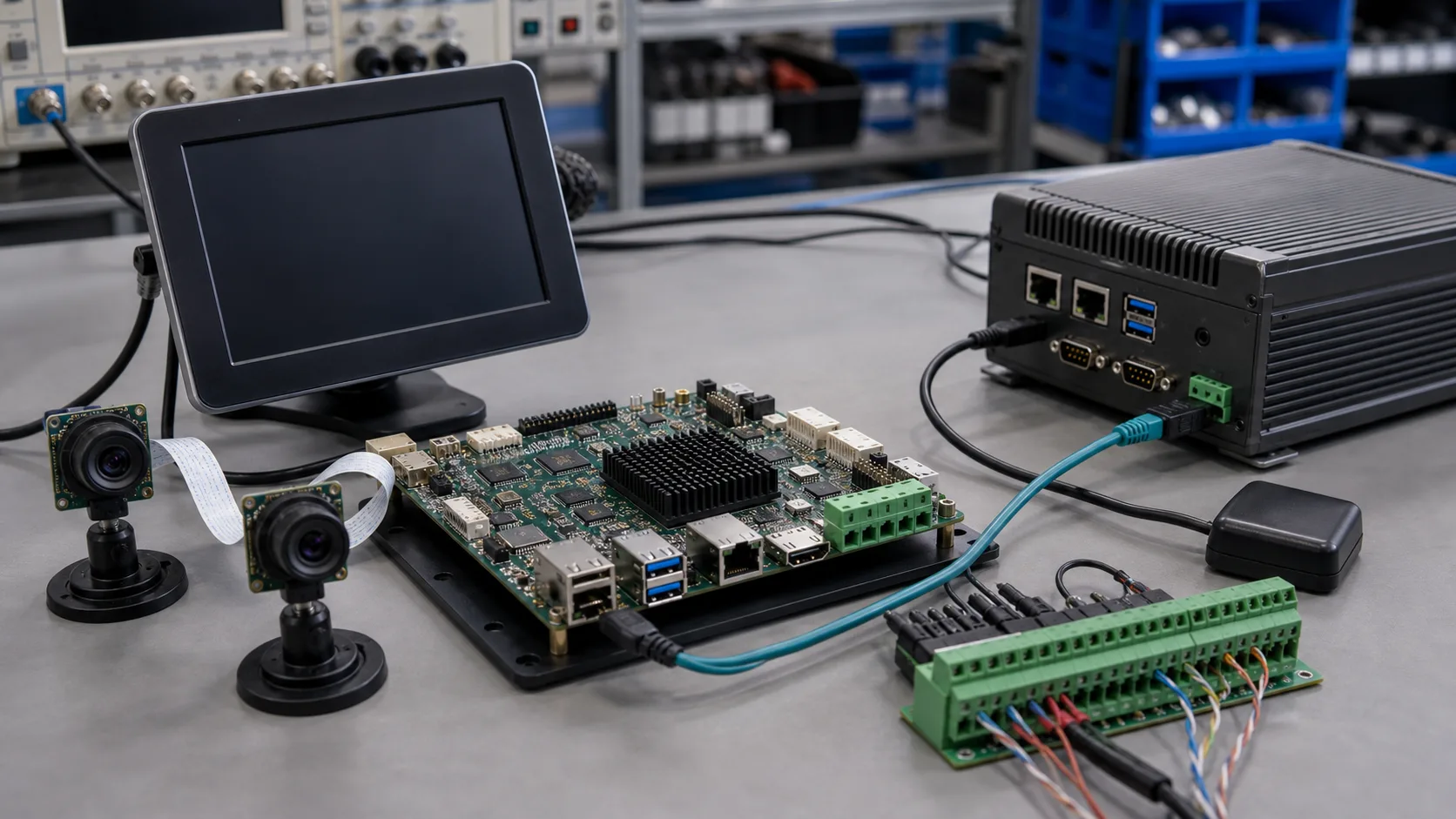
NXP i.MX8M Plus Industrial Applications: Vision, HMI, Gateways, and Edge AI
A practical guide to NXP i.MX8M Plus industrial applications, including machine vision, HMIs, gateways, edge AI, CAN FD, TSN Ethernet, camera input, …
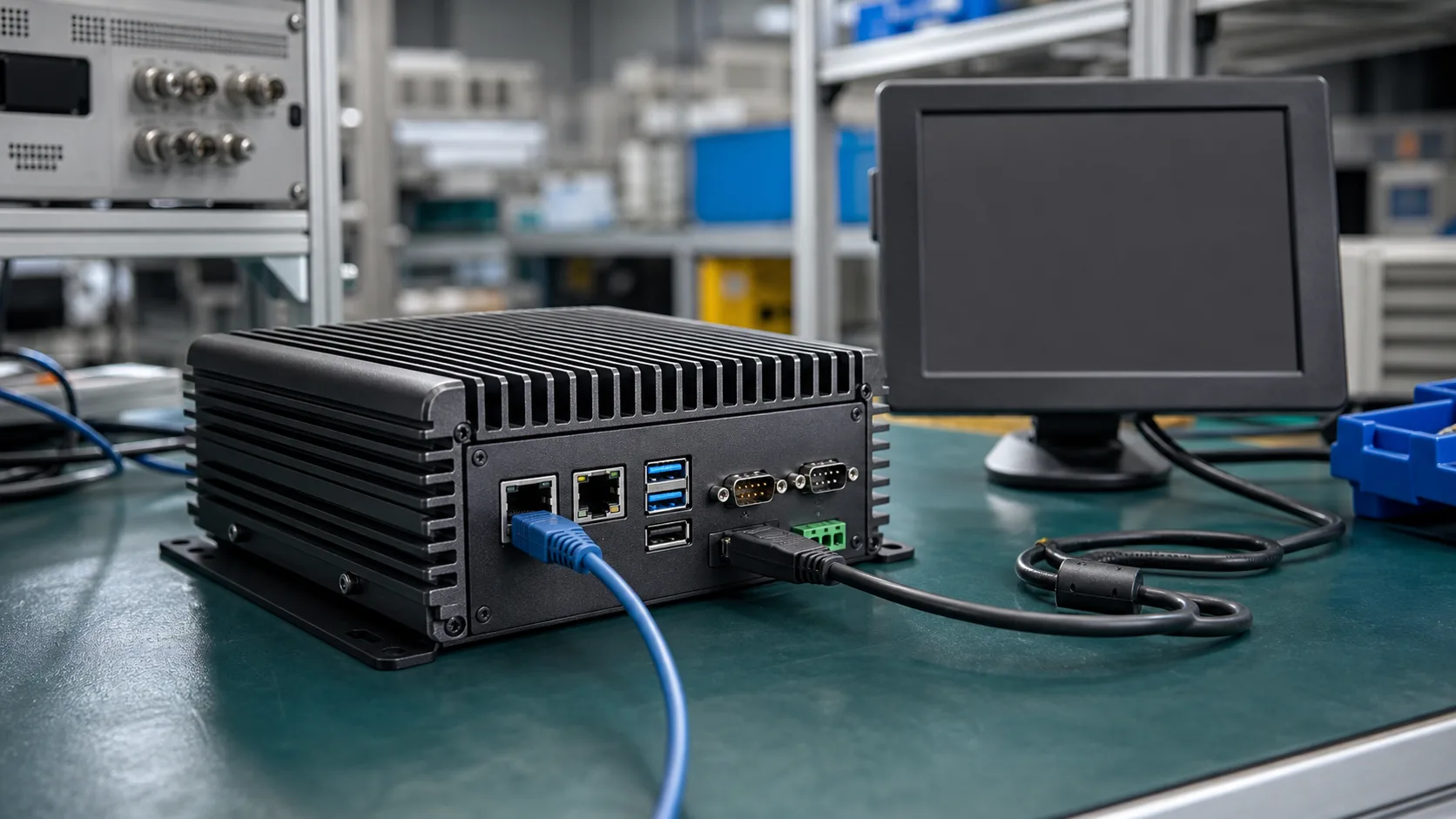
Intel Atom x7000E for Fanless Industrial PCs: Where It Fits and Where It Does Not
A practical guide to Intel Atom x7000E processors for fanless industrial PCs, covering x86 compatibility, power budgets, I/O, Windows and Linux support, …
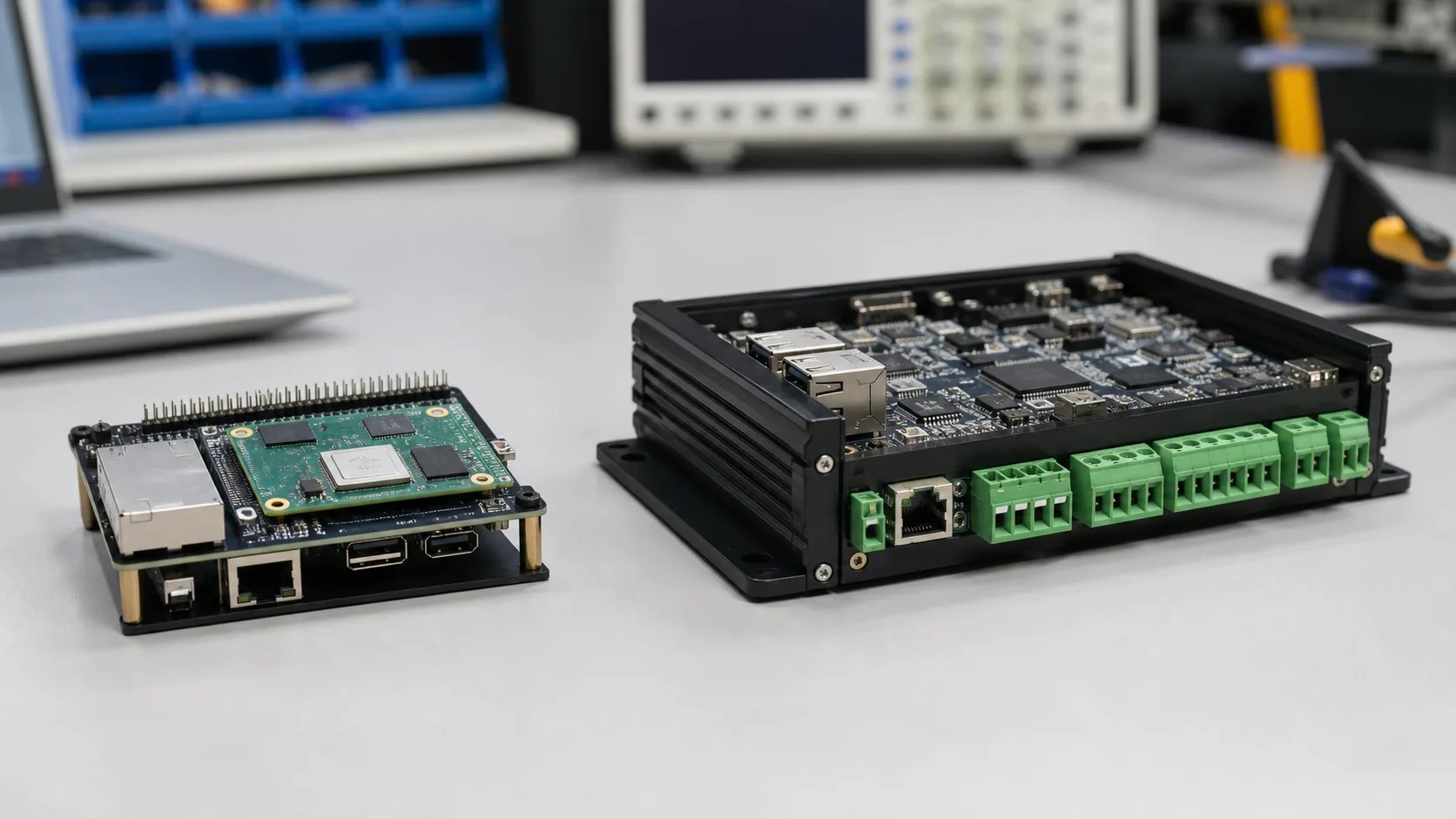
Raspberry Pi CM4 vs Industrial ARM SBC: Prototype Convenience or Production Reliability?
A practical comparison of Raspberry Pi Compute Module 4 and industrial ARM SBCs for embedded products, covering cost, lifecycle, I/O, thermals, software, …
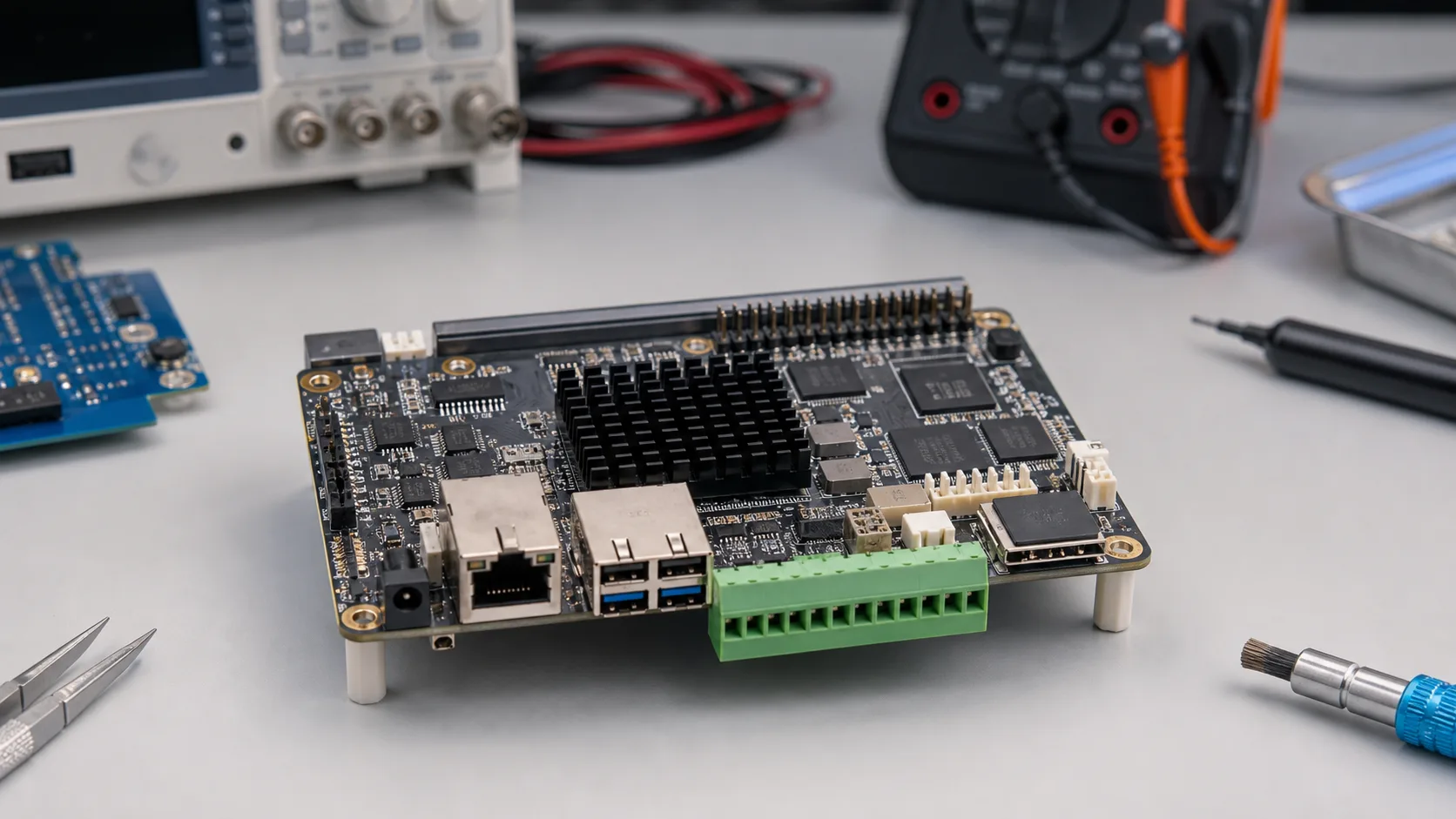
Rockchip RK3568 Industrial Board Guide: What to Check Before Choosing a Board
A practical guide to Rockchip RK3568 industrial boards, covering I/O, Linux and Android support, storage, power, thermals, display, CAN, RS-485, Ethernet, and …
Recommended Guides
ARM vs x86
A deep dive into how each architecture performs in industrial use cases. Compare CPU efficiency, power draw, OS ecosystem, hardware longevity, and total cost of ownership to make a well-informed choice.
Read →Power Consumption
Learn how to translate workload demands into real-world wattage. Plan heatsink capacity, enclosure airflow, and PSU headroom to achieve silent, maintenance-free operation over years of service.
Read →