
Fanless Computing
Fanless designs are prized for silence, dust resistance, and reliability, but they demand careful thermal engineering. This tag provides practical playbooks for heat spreaders, vapor chambers, and chassis-as-heatsink approaches across different power envelopes. We explain how to translate TDP numbers into enclosure temperatures, how to choose interface materials, and how to validate systems with power cycling and ambient sweeps. You’ll also find guidance on throttling behavior, acoustic equivalents, and reliability impacts over years of operation. If you’re targeting rugged environments—or simply want zero-maintenance systems—these articles will save iterations.
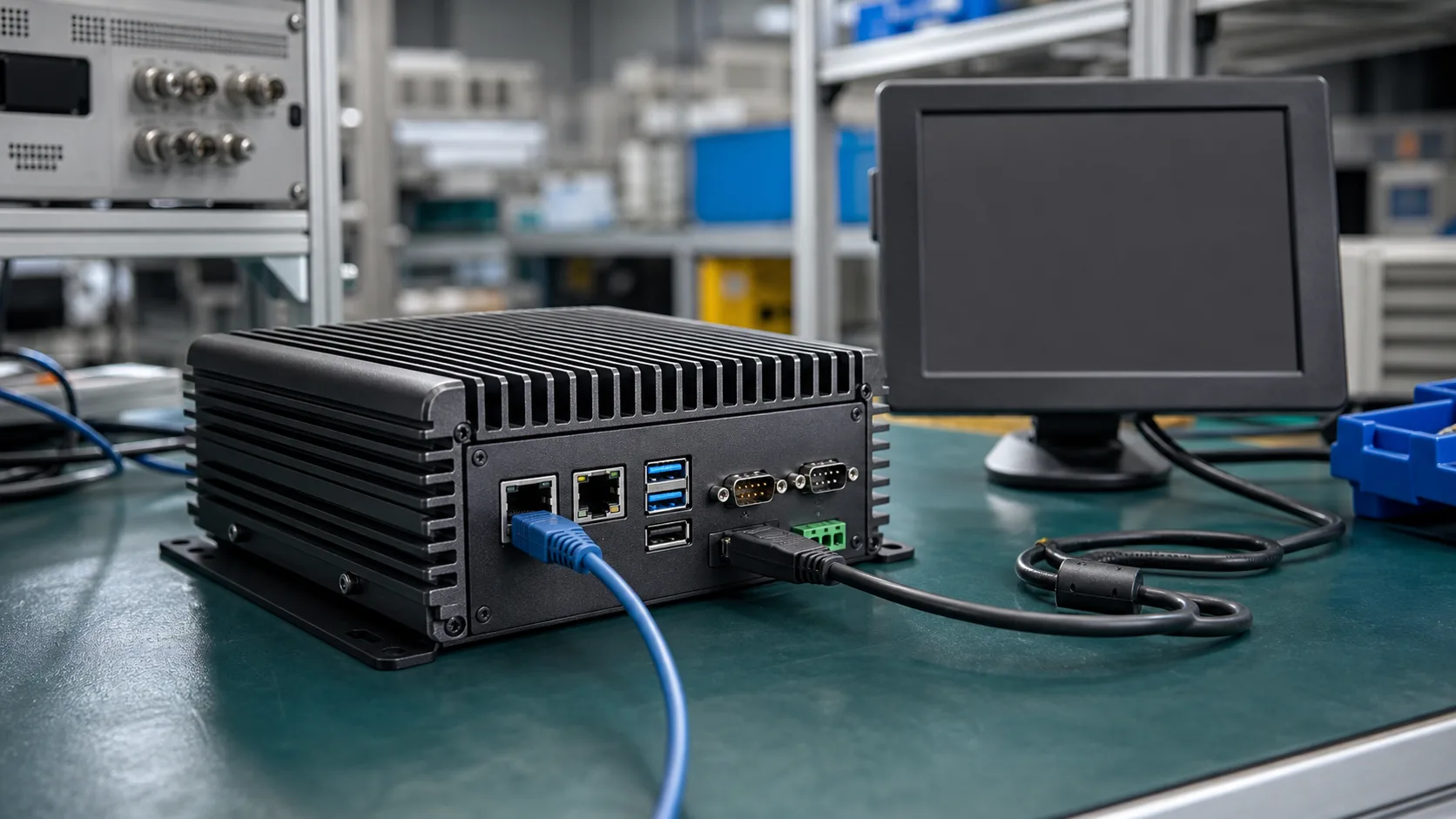
Intel Atom x7000E for Fanless Industrial PCs: Where It Fits and Where It Does Not
A practical guide to Intel Atom x7000E processors for fanless industrial PCs, covering x86 compatibility, power budgets, I/O, Windows and Linux support, …
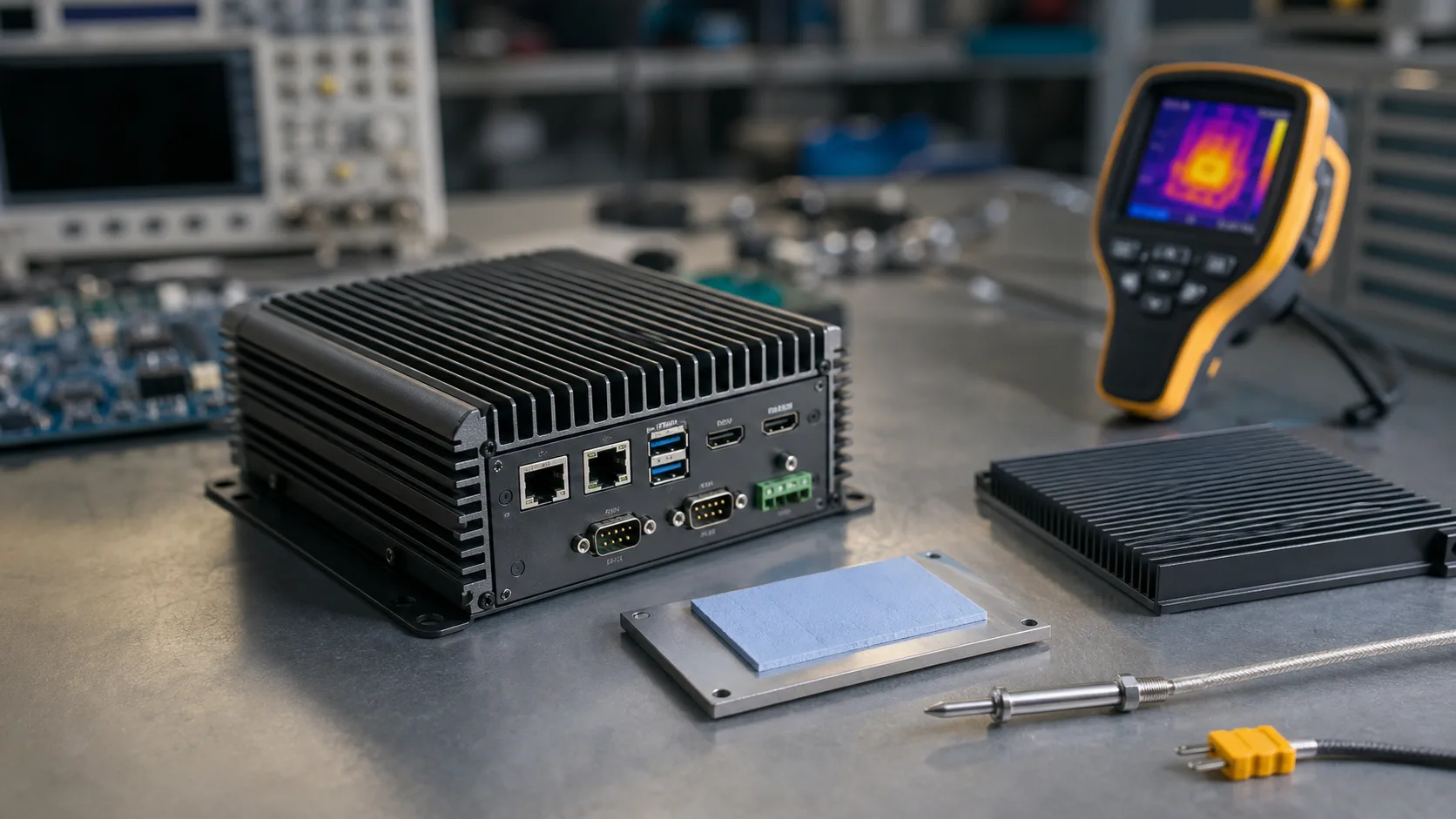
Fanless Industrial Computer Thermal Design: Practical Rules for Reliable SBC Systems
A practical guide to fanless industrial computer thermal design, covering heat paths, enclosure materials, TDP, ambient temperature, throttling, SSD heat, …
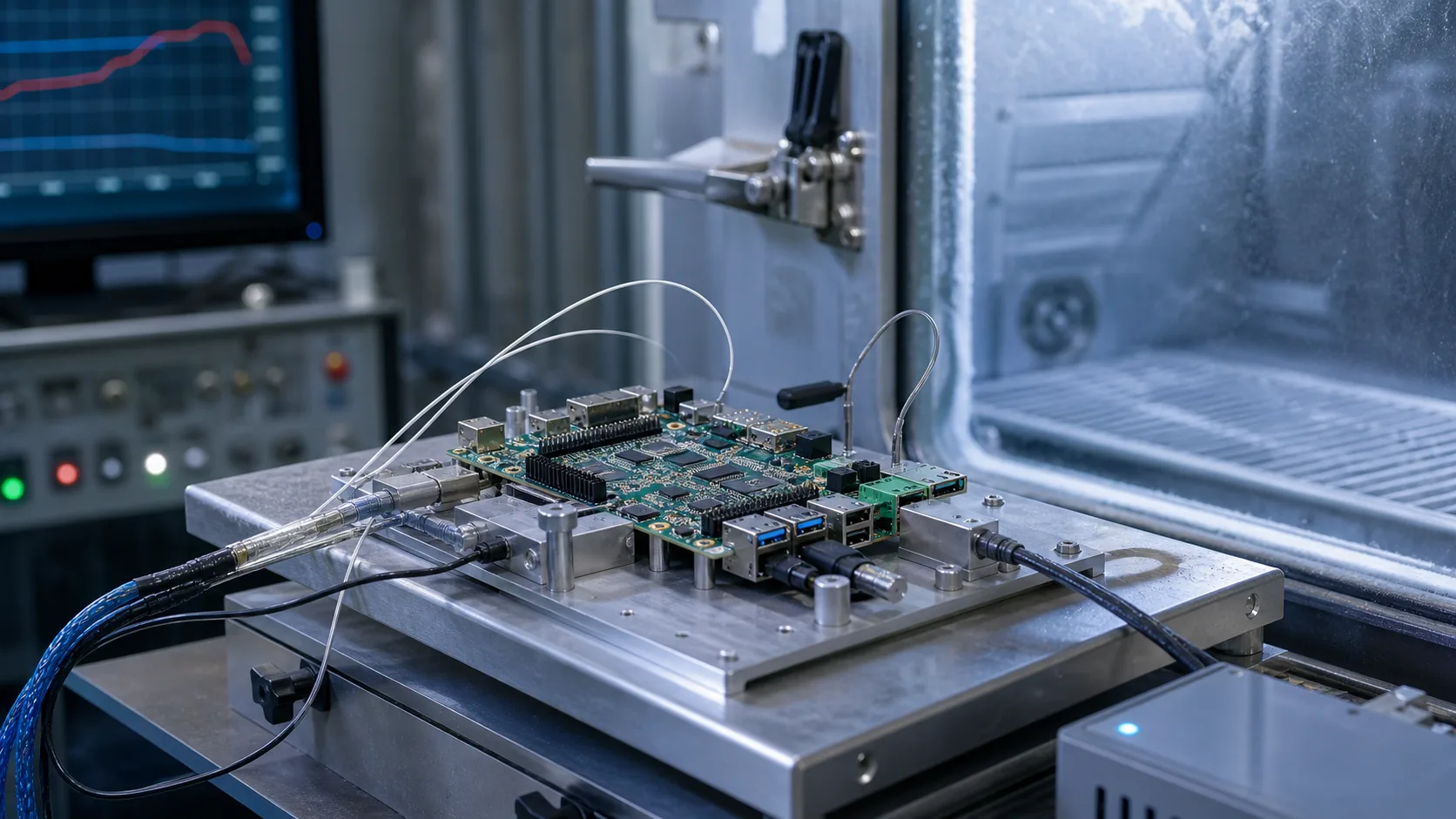
Wide Temperature SBC Design Guide: Building Embedded Systems for Harsh Environments
A practical guide to wide temperature SBC design, covering components, thermal testing, storage, power input, enclosure design, condensation, derating, and …
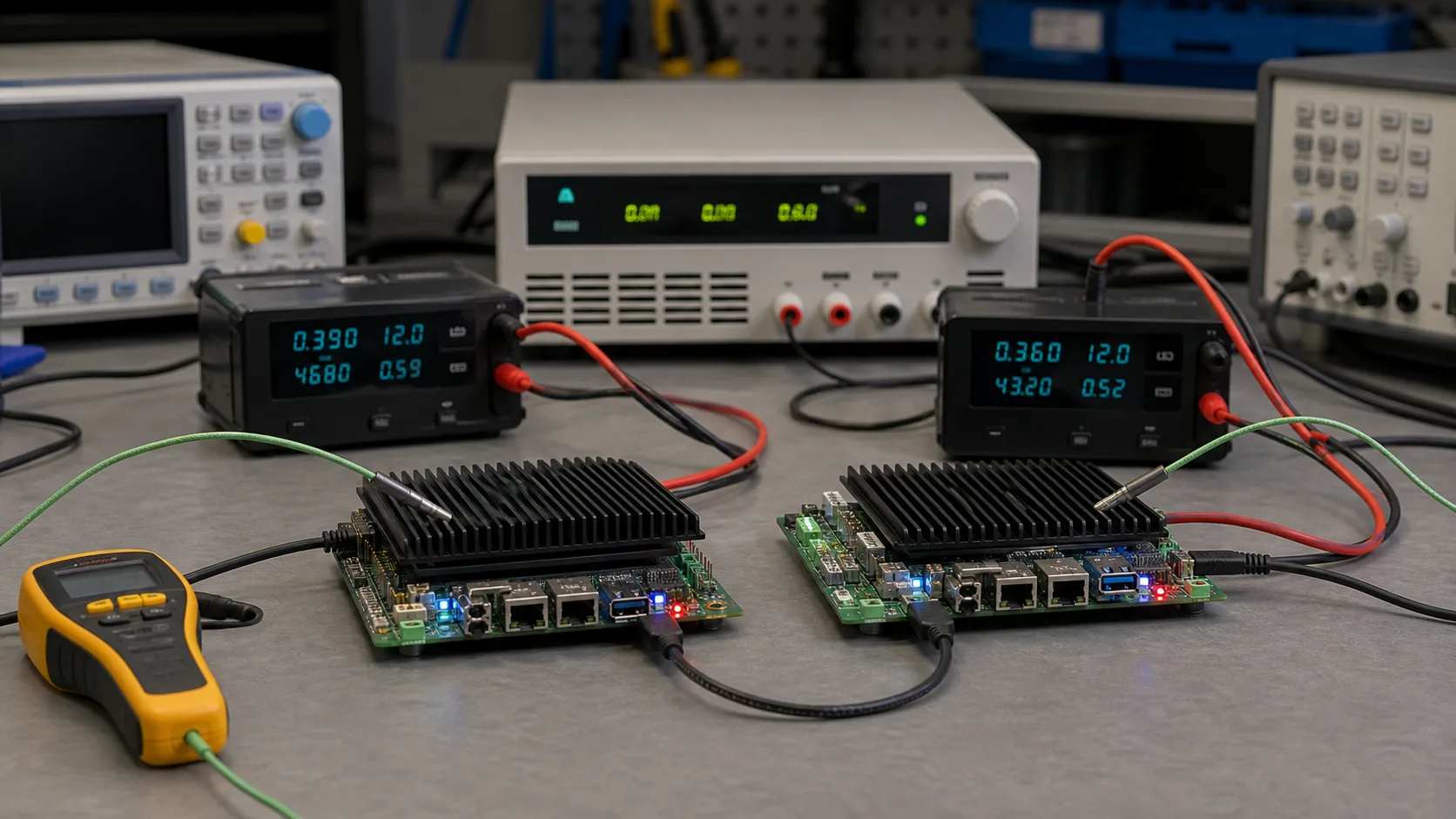
Power Consumption Comparison: x86 vs ARM in Fanless Industrial SBCs
An in-depth analysis of power efficiency between x86 and ARM architectures in fanless industrial SBC designs, exploring thermal performance, battery life, and …
Recommended Guides
ARM vs x86
A deep dive into how each architecture performs in industrial use cases. Compare CPU efficiency, power draw, OS ecosystem, hardware longevity, and total cost of ownership to make a well-informed choice.
Read →Power Consumption
Learn how to translate workload demands into real-world wattage. Plan heatsink capacity, enclosure airflow, and PSU headroom to achieve silent, maintenance-free operation over years of service.
Read →